

| Posted in: Bright Energy Solutions Rebates, MRES Today Stories
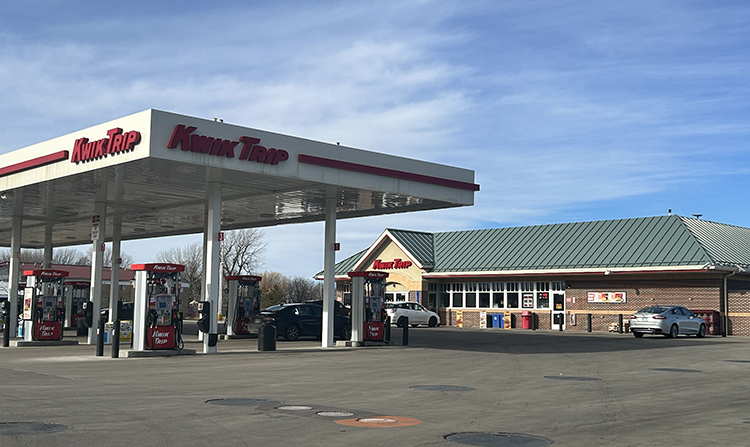
When a new building is being planned, the choices made early, like lighting, heating and cooling, and insulation, can affect energy bills for years to come. That’s where Bright Energy Solutions (BES) comes in. The program helps businesses find smart energy-saving options and earn rebates for proven savings, lowering both upfront costs and long-term expenses.
One company that has made energy efficiency part of its standard playbook is Kwik Trip, Inc. Since 2011, the family-owned company has built 19 Kwik Trip or Kwik Star stores in communities served by Missouri River Energy Services (MRES) member utilities. Over the last several years alone, 14 new Kwik Trip or Kwik Star locations used BES rebates, earning nearly $100,000 while saving 361.69 kilowatts of demand and, each year, saving over 2 million kilowatt-hours of energy. Several more projects have recently been completed, with another store currently under construction in Moorhead, Minnesota.
For any business, the options for saving money and energy, especially with new construction, are significant, since BES offers more than one way for a project to qualify for incentives, depending on when energy efficiency is considered during construction.
For the Kwik Trip projects, a design review was done. This option evaluates energy efficiency at the whole-building level. Through this process, the building owner and design team work with an MRES partner to model the proposed building against a baseline code-built facility.
During this review, key systems like lighting, heating and cooling, windows, roofing and the building shell are evaluated together. The team then looks at different options, showing how each choice affects construction costs and long-term energy savings. The company then ultimately decides which upgrades to include.
Once the new building is complete, actual energy use is verified, savings are confirmed and the rebate is calculated. Because this approach looks at the whole building, it often leads to larger rebates, especially for bigger facilities.
However, a full design review isn’t necessary to earn rebates on a newly constructed building. According to Darlene Weber-Scott, MRES energy services technical specialist, new projects can still qualify for prescriptive rebates. “These rebates apply to specific energy-efficient items, such as high-efficiency lighting or HVAC equipment.” Each approved item earns a set rebate amount. While this option is simple and straightforward, it focuses on individual systems rather than total building performance.
For Kwik Trip, efficiency is key. As a vertically integrated company, it operates its own bakery, dairy, kitchens, food-safety lab, distribution center, transportation company and even a health clinic. About 80% of the products sold in its stores are Kwik Trip–branded, made, shipped, and sold by the company itself. Opportunities for efficiency aren’t merely added benefits for the company; they are core to its operational strategy.
BES is designed to support this kind of forward thinking. Whether through a full design review or targeted prescriptive rebates, BES provides the data, verification and financial incentives businesses need to make energy-smart choices that pay off for years to come.