

| Posted in: Bright Energy Solutions Rebates, Member News, MRES Today Stories
As students return to classrooms this fall, Harris-Lake Park Community School District (CSD) is beginning its first full school year with elementary students learning in a new, energy-efficient space.
The district opened its new 36,000-square-foot elementary addition in February of this year, bringing preschool through fourth-grade students onto the district’s existing middle and high school campus in Lake Park, Iowa.
Now, with the 2026–27 school year underway, students and staff are experiencing the benefits of a modern learning environment that combines flexible classroom spaces with investments in energy efficiency.
Construction of the addition was already underway when an unexpected boiler failure at the former elementary building accelerated the district’s transition into the new facility. What could have been a major disruption instead provided an opportunity to move forward sooner with a building designed around the district’s long-term needs.
Bright Energy Solutions® (BES), through MRES member Lake Park Municipal Utilities (LPMU), helped the district maximize that investment by providing incentives for high-efficiency systems installed throughout the building. The improvements resulted in more than $18,000 in rebates and nearly 49 kilowatts in energy savings.
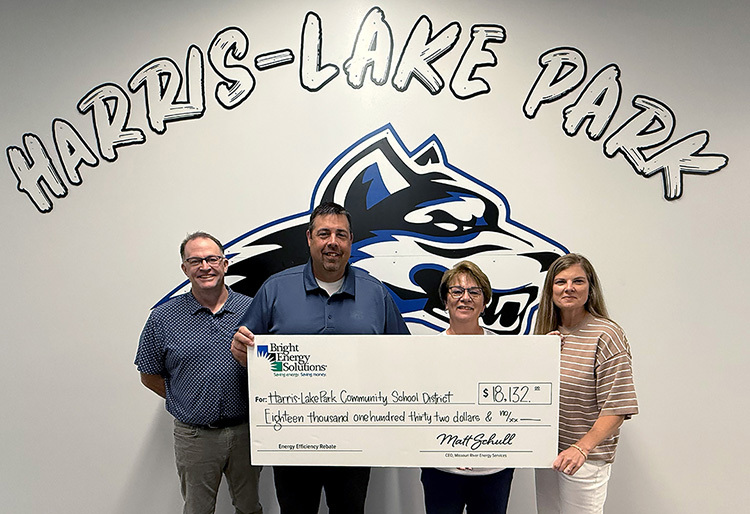
Superintendent Mike Thompson said those rebates played a role in decisions made during the planning stages of the project.
“Anytime we can reduce the upfront cost of a project while also lowering the long-term cost of operating our buildings, that’s a win for our students, our staff and our community,” Thompson said. “These rebates allowed us to stretch our investment a little further and put more of our resources toward the things that matter most — providing a great learning environment for our students.”
From the very start of the project, the district took advantage of the New Construction Design Review process, which takes a whole-building approach to energy efficiency during the design and construction process. By evaluating how the building’s systems work together, the process helped identify opportunities to maximize efficiency while supporting the long-term performance of the building and its equipment.
Among the improvements were upgraded HVAC systems designed to provide better indoor air quality and more consistent climate control, along with energy-efficient lighting that reduces electricity use while enhancing the learning environment. Large windows and an open design complement those systems by maximizing natural light throughout the building.
The district received rebates for both HVAC and lighting improvements, helping reduce upfront costs while positioning the building for long-term operational savings.
“The goal was never simply to build a new building; it was to build a facility that would serve our students and community well for many years,” Thompson said. “The more efficient HVAC and lighting systems are an important part of that. They help create a comfortable, welcoming environment for students while also giving us the opportunity to manage our operating costs over the life of the building.”
The new addition was funded through an $18 million voter-approved bond in 2023 and replaced an aging elementary facility that had ongoing maintenance and safety concerns. The project also created a unified K–12 campus.
“Anytime we can reduce the upfront cost of a project while also lowering the long-term cost of operating our buildings, that’s a win for our students, our staff and our community. These rebates allowed us to stretch our investment a little further and put more of our resources toward the things that matter most — providing a great learning environment for our students.”
—Mike Thompson, Harris-Lake Park CSD superintendent
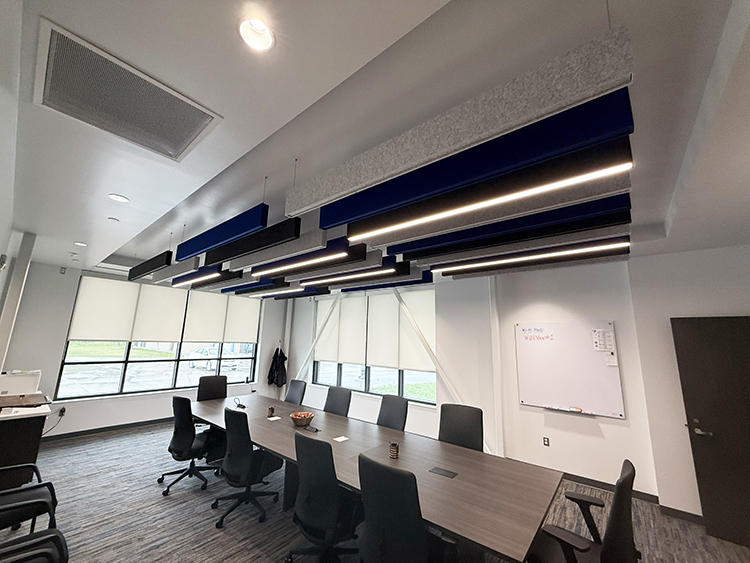
This fall, students from preschool through fourth grade are returning to flexible classroom layouts designed to support individualized instruction and collaboration. Having all grade levels on one campus also creates opportunities for cross-grade interaction that district leaders say can strengthen academic and social development.
The project demonstrates how partnerships between schools, local utilities and energy-efficiency programs can stretch community investments further.
“Being able to utilize Bright Energy Solutions rebates to support our school and students helps stretch local dollars further while improving facilities the whole community depends on,” said Amy Bosma, LPMU utility clerk.
“As a school district, we have a responsibility to be good stewards of the dollars our community entrusts to us,” Thompson said. “Programs like this allow us to make smart investments in our facilities while taking advantage of opportunities to reduce costs. Saving money on energy and operating expenses means those dollars can ultimately be used to support our students in other ways.”
As another school year begins, Harris-Lake Park’s new elementary space provides a timely example of how energy-efficiency investments can deliver benefits that extend beyond energy savings.
Energy Efficiency Extends Beyond the Classroom
In addition to improvements within the new elementary addition, Harris-Lake Park CSD also leveraged BES rebates for upgrades at its bus barn facility.
The district received a $400 HVAC rebate and a $617 LED lighting rebate, resulting in just under 2 kilowatts of energy savings.
“The bus barn improvements are a good example of how we can continue looking for opportunities to improve efficiency throughout the district, even when the projects are smaller,” Thompson said. “Every savings adds up, and our responsibility is to look for those opportunities wherever we can.”
Harris-Lake Park CSD